 Image 1 of 1
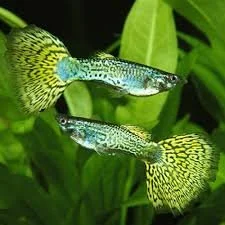
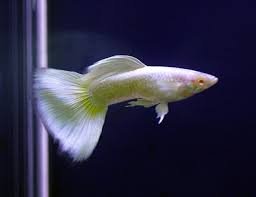
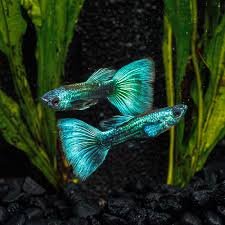
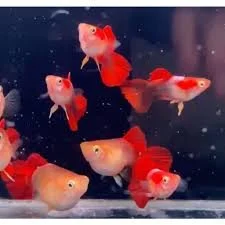
A "miracle koi red balloon body" guppy is a type of ornamental guppy (Poecilia reticulata) with a distinctive "balloon" or short body shape, and vibrant red and yellow/golden coloring that resembles a koi. This guppy is popular due to its striking appearance and lively, peaceful nature, making it suitable for community aquariums and for both beginner and experienced fishkeepers.
Appearance
Body: Features a short, "balloon-like" body shape.
Color: Has vibrant red-orange coloration on the face, dorsal fin, and tail fin. The body color can range from pearlescent white to light yellow. The pattern is highly variable and unique to each individual.
Care and compatibility
Tank size: A minimum of 10 gallons is recommended, with some sources suggesting a minimum of 40 liters.
Water parameters: Adaptable to a range of conditions, but a pH between 6.5 and 8.0 is ideal.
Diet: An omnivorous diet of high-quality flakes, pellets, and occasional live/frozen foods like brine shrimp and daphnia is best.
Tankmates: Peaceful and suitable for community tanks with other small, non-aggressive fish. They should be kept in groups of at least three to ensure social interaction, and if males and females are housed together, a ratio of two to three females per male is recommended.
A "miracle koi red balloon body" guppy is a type of ornamental guppy (Poecilia reticulata) with a distinctive "balloon" or short body shape, and vibrant red and yellow/golden coloring that resembles a koi. This guppy is popular due to its striking appearance and lively, peaceful nature, making it suitable for community aquariums and for both beginner and experienced fishkeepers.
Appearance
Body: Features a short, "balloon-like" body shape.
Color: Has vibrant red-orange coloration on the face, dorsal fin, and tail fin. The body color can range from pearlescent white to light yellow. The pattern is highly variable and unique to each individual.
Care and compatibility
Tank size: A minimum of 10 gallons is recommended, with some sources suggesting a minimum of 40 liters.
Water parameters: Adaptable to a range of conditions, but a pH between 6.5 and 8.0 is ideal.
Diet: An omnivorous diet of high-quality flakes, pellets, and occasional live/frozen foods like brine shrimp and daphnia is best.
Tankmates: Peaceful and suitable for community tanks with other small, non-aggressive fish. They should be kept in groups of at least three to ensure social interaction, and if males and females are housed together, a ratio of two to three females per male is recommended.