
 Image 1 of 1
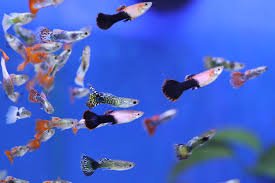
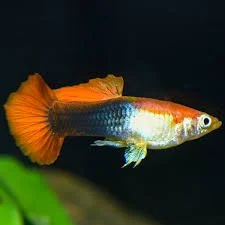
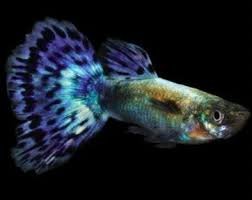
A guppy batik purple fish is a selectively bred guppy with a unique appearance, featuring a platinum-colored body with iridescent purple hues, especially on the dorsal and tail fins. The back half of the fish is a deep black, which can also appear as spots and markings throughout the fins. These guppies are known to be active, peaceful, and hardy, making them suitable for beginner aquarium hobbyists.
Appearance
Body and color: Platinum base with a deep purple iridescence.
Fins: Purple color on the dorsal and tail fins, with black markings or spots scattered throughout.
Back half: Often a deep, rich black.
Care and behavior
Temperament: Peaceful and active, ideal for community tanks.
Tankmates: Should be housed with other peaceful fish, such as tetras, mollies, and corydoras, and avoid fin-nippers like tiger barbs.
Tank size: A minimum of a 10-gallon tank is recommended, with a larger tank being better for a community.
Diet: Omnivores that thrive on a varied diet of high-quality flakes, pellets, and meaty foods like bloodworms or brine shrimp.
Breeding
Livebearers: Guppies give birth to live young, which means they can breed easily in a home aquarium.
Fry protection: It is recommended to have a breeding box or a way to protect the young fry from being eaten by adults.
A guppy batik purple fish is a selectively bred guppy with a unique appearance, featuring a platinum-colored body with iridescent purple hues, especially on the dorsal and tail fins. The back half of the fish is a deep black, which can also appear as spots and markings throughout the fins. These guppies are known to be active, peaceful, and hardy, making them suitable for beginner aquarium hobbyists.
Appearance
Body and color: Platinum base with a deep purple iridescence.
Fins: Purple color on the dorsal and tail fins, with black markings or spots scattered throughout.
Back half: Often a deep, rich black.
Care and behavior
Temperament: Peaceful and active, ideal for community tanks.
Tankmates: Should be housed with other peaceful fish, such as tetras, mollies, and corydoras, and avoid fin-nippers like tiger barbs.
Tank size: A minimum of a 10-gallon tank is recommended, with a larger tank being better for a community.
Diet: Omnivores that thrive on a varied diet of high-quality flakes, pellets, and meaty foods like bloodworms or brine shrimp.
Breeding
Livebearers: Guppies give birth to live young, which means they can breed easily in a home aquarium.
Fry protection: It is recommended to have a breeding box or a way to protect the young fry from being eaten by adults.